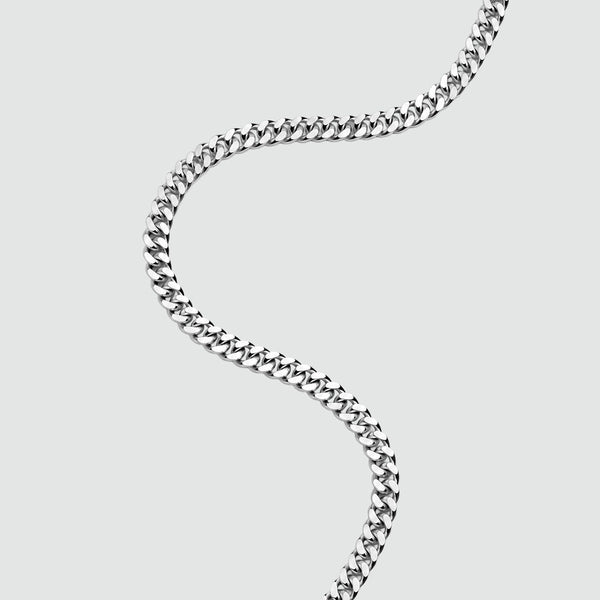
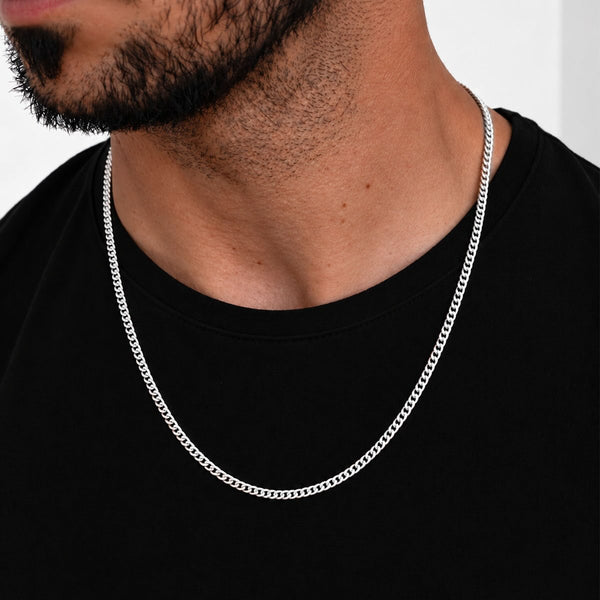
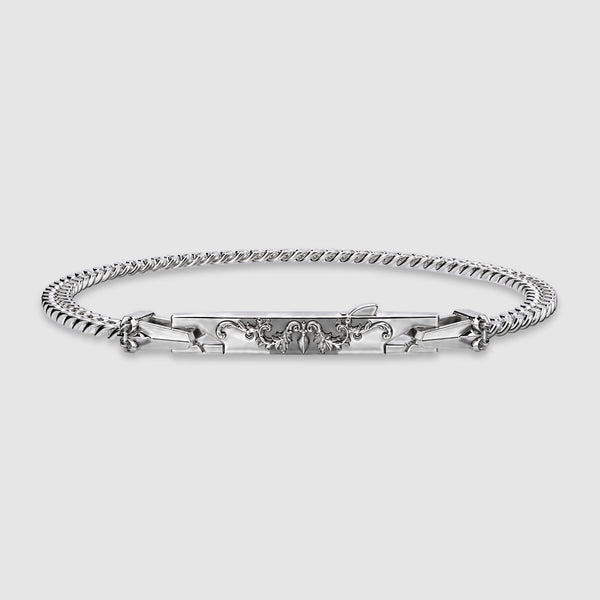
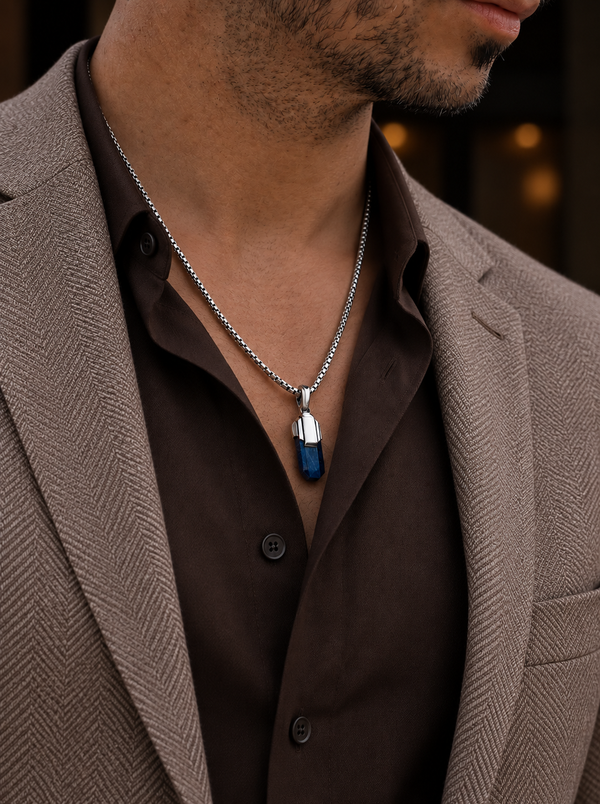
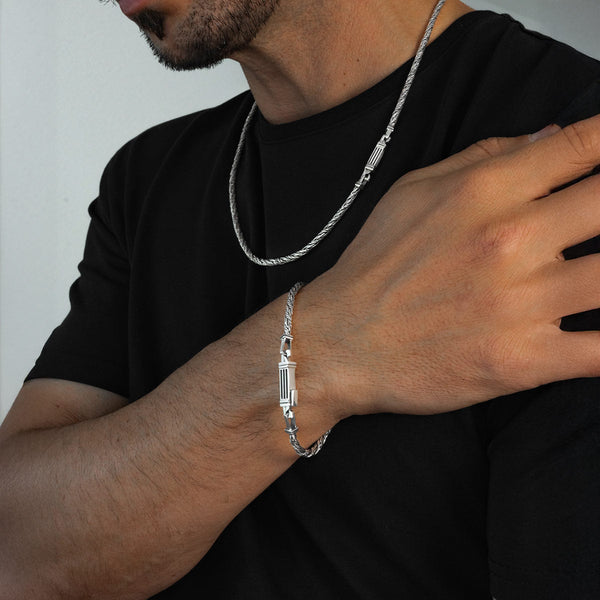
To polish a silver chain at home, soak it in warm water with a few drops of dish soap for two to three minutes, then gently scrub between the links with a soft toothbrush. Rinse with clean water, pat dry with a lint-free cloth, and buff with a silver polishing cloth. This removes tarnish and restores shine. It is the safest way to learn how to polish a silver chain at home without risk of surface damage.
A dirty silver chain is one of the most common jewellery problems. Learning how to polish a silver chain at home is one of the easiest fixes available. Skin oils, moisture, and everyday contact with air all contribute to tarnish, and once a chain starts to lose its brightness it can go from looking sharp to looking neglected quickly. Knowing how to polish a silver chain correctly, and choosing the right method for the tarnish level and chain type, is what separates a chain that stays sharp from one that ends up in a drawer. This guide covers the full process of how to polish a silver chain, from understanding what polishing actually does to keeping your chain shining between cleans.

Cleaning vs. Polishing: Understanding the Difference
Before learning how to polish a silver chain, it helps to understand that cleaning and polishing are two separate steps. Doing them in the right order is what makes the difference between a result that looks good and one that actually restores the chain properly. Polishing a dirty silver chain without cleaning it first pushes grime deeper into the links rather than removing it.
What Cleaning Does
Cleaning removes the physical layer of dirt, skin oil, and product residue that builds up on a silver chain during regular wear. This is always the first step. A clean chain is easier to polish because there is nothing between the polishing agent and the silver surface itself. Even a chain that appears only lightly tarnished is usually carrying surface residue. Removing it before polishing a silver chain gives the polish direct contact with the metal.
What Polishing Does
Polishing a silver chain removes tarnish, which is a chemical reaction between the silver and sulphur compounds in the air. A polishing cloth or mild abrasive lifts this tarnish layer and restores the reflective surface underneath. Knowing how to polish a silver chain is useful, but polishing does not remove scratches or structural damage, and it will not brighten a plated chain that has already worn through its coating. For 925 sterling silver, knowing how to polish a silver chain and doing it regularly keeps the surface in the condition it was in when new.
See more: Does Silver Tarnish? Men's Bracelet and Chain Care Explained

How to Polish a Silver Chain: Step-by-Step
The dish soap method is the most reliable and safest way to polish a silver chain at home. It is gentle enough for all chain types, including hollow chains and those with clasps, and it works on both light tarnish and moderate dullness. Start with this method when learning how to polish a silver chain before attempting anything more intensive.
What You Need
A small bowl, warm water, a few drops of dish soap, a soft-bristled toothbrush (unused or dedicated to jewellery), a lint-free cloth, and a silver polishing cloth. Everything required is likely already in the house.
The Method
1. Fill a small bowl with warm water and add two to three drops of dish soap. The water should feel warm but not hot — high temperatures can weaken clasps over time.
2. Place the silver chain in the bowl and leave it to soak for two to three minutes. This softens surface oils and loosens grime from between the links.
3. Remove the chain and lay it flat on the lint-free cloth. Using the soft toothbrush, work along the length of the chain in short strokes, paying attention to the links where dirt collects. Hold the chain gently; do not stretch or pull it while scrubbing.
4. Rinse the chain thoroughly under clean, cool running water to remove all soap residue. Soap left in the links will dull the finish once the chain dries.
5. Pat the chain dry with the lint-free cloth. Lay it out flat and allow it to air dry completely before polishing or storing. A damp chain polished immediately will streak.
6. Once fully dry, buff the chain with a silver polishing cloth using light, even strokes along the length. This is the polishing step that restores the shine. The cloth does the work; pressure is not necessary.
This is the complete dish soap process for how to polish a silver chain. Run through it from step one each time the chain needs a full clean, and use a polishing cloth alone for the quick maintenance passes in between.
Chain-Specific Tips
Polishing a silver chain involves a few considerations that do not apply to rings or bangles. Polishing a silver chain through the links requires more attention than buffing a flat surface. Links trap residue more than flat surfaces, so the toothbrush step is more important here than it is for a ring or bangle. Run the brush along the underside of the chain as well as the top. For the clasp, use the toothbrush carefully around the mechanism and avoid soaking it for extended periods. If the chain is hollow rather than solid, avoid baking soda paste and aggressive abrasives entirely, as hollow links are more prone to surface scratching.
See more: Polishing Silver Rings: Techniques That Work
Other Methods to Polish a Silver Chain
The dish soap method works well in most situations, but when a silver chain polish is needed for heavier tarnish or specific chain types, these alternatives are worth knowing. The table below compares the most commonly used methods for polishing a silver chain, with time, effectiveness, appropriate tarnish level, and risk level for each.

Each of these methods for how to polish a silver chain suits a different level of tarnish and chain type. The baking soda paste method is effective but should only be used on solid 925 sterling silver chains. Its mild abrasiveness can scratch hollow chain links or strip plating from silver-plated pieces. The aluminium foil method, which uses a chemical reaction between the foil, baking soda, and hot water to lift tarnish, is gentler on the surface than paste but takes slightly longer. For very heavily tarnished chains where standard silver chain polish methods are not enough, a commercial silver cleaner designed for sterling silver is the most reliable option and carries little risk when used correctly.
What Not to Do When Polishing a Silver Chain
Part of knowing how to polish a silver chain correctly is knowing what not to use. Polishing silver chain with the wrong product is one of the most common ways damage occurs. Understanding what to avoid is as important as knowing what works.
Household Items to Avoid
Toothpaste is frequently recommended online as a way to polish silver, but most modern toothpastes contain abrasives designed for tooth enamel, which is much harder than sterling silver. Using toothpaste on a silver chain can create fine surface scratches that are visible under light and accumulate over time. Bleach, vinegar, and lemon juice are too acidic for silver and can cause surface pitting or discolouration, particularly around clasps and soldered link joints. Avoid ultrasonic cleaners for hollow silver chains, as the vibrations can stress the link walls and cause them to split or deform over time.
925 Sterling Silver vs. Silver-Plated: Why It Matters
The 925 vs. plated distinction is one of the most overlooked areas in any guide on how to polish a silver chain correctly. A 925 sterling silver chain is solid silver throughout and can handle all the methods described in this guide. A silver-plated chain has a thin layer of silver over a base metal, and that layer is not replenished by polishing. Aggressive polishing of a plated chain removes the coating. What appears to be a dirty silver chain in need of polish may in fact be a plated chain that has worn through. The safest approach for a silver-plated chain is a gentle wipe with a polishing cloth only. If the plating has already worn through in places, no amount of polishing will restore the silver appearance.
See more: Real vs. Fake 925 Sterling Silver: How to Tell the Difference

How to Keep Your Silver Chain Shining Longer
Knowing how to polish a silver chain is most useful when combined with storage habits that reduce how often it needs doing. Prevention is more effective than any polishing method, because it reduces the rate at which tarnish and grime accumulate in the first place.
Storage Tips After Polishing
Where and how a silver chain is stored has a direct effect on how quickly it tarnishes and how often cleaning is needed. Air exposure is the main driver of tarnish, so sealing the chain in an anti-tarnish bag or an airtight pouch when it is not being worn is the single most effective storage decision available. Keep chains stored separately from other jewellery to prevent tangling and surface scratching. Avoid storing silver near perfume, aftershave, or products that off-gas sulphur compounds, including rubber bands and certain plastics. A dry environment away from bathrooms is ideal. Good storage significantly reduces the frequency of cleaning sessions needed across a year.
How Often to Polish a Silver Chain
For a chain worn daily, a quick buff every two to three weeks maintains shine. Knowing how to polish a silver chain at this maintenance level means never needing a deep clean as often. A complete dish soap clean every six to eight weeks is sufficient for most wearers. If a chain is worn occasionally rather than daily, go through the full how to polish a silver chain process before each extended period of wear and store it properly in between. Chains worn during sport, swimming, or in contact with skin products will need cleaning and polishing more frequently, as sweat and product residue both accelerate tarnishing.«_HIGHLIGHT_END»
See more: How to Clean a Silver Bracelet

FAQ: How to Polish a Silver Chain
How to polish a silver chain without a polishing cloth?
When learning how to polish a silver chain without a cloth, a lint-free cotton cloth or soft microfibre works as a substitute. Avoid paper towels and tissues, which leave fibres in the links and can create fine scratches on the surface.
Can I use baking soda to polish silver chain at home?
Yes, on solid 925 sterling silver chains only. Mix a small amount of baking soda with water to form a thin paste. Apply to polish silver chain with a soft cloth or toothbrush, then rinse and dry completely. Avoid baking soda on hollow or silver-plated chains.
Why does my silver chain keep going dark after I polish a silver chain?
Tarnish is a chemical reaction that resumes as soon as silver is exposed to air. Polishing removes the tarnish layer but does not prevent the reaction from restarting. Storing the chain in an airtight, anti-tarnish bag slows re-tarnishing significantly.
Is it safe to polish a silver chain with a clasp?
Yes, but take care around the clasp mechanism. Use the toothbrush gently around the clasp and avoid prolonged soaking. Allow the clasp to dry fully before closing it, as trapped moisture inside the mechanism can contribute to corrosion over time.
How do I know if my chain is 925 sterling silver or silver-plated?
Look for a 925 hallmark stamped on the clasp or a link. 925 indicates the piece is 92.5% pure silver throughout. No hallmark or a different marking usually indicates plating. When in doubt, a jeweller can test the metal.
Final Thoughts
Knowing how to polish a silver chain correctly, and keeping up with it consistently, means a sterling silver chain stays looking as good as the day it arrived regardless of how regularly it is worn. The dish soap method handles most situations, the comparison table above covers the alternatives, and proper storage does the rest. If your chain is overdue for a clean and you are looking for a new piece to add to the rotation, explore the full range at Men's Silver Chains, all crafted in solid 925 sterling silver and built to last.