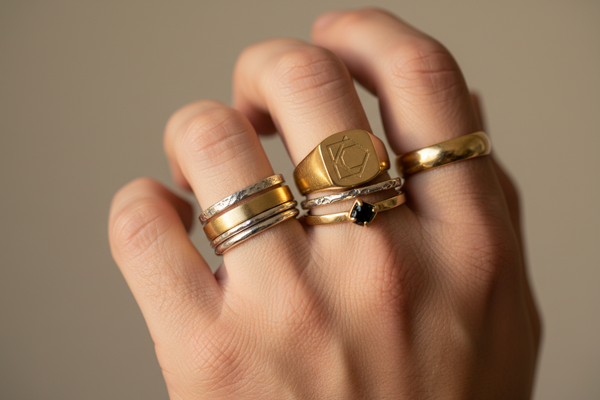
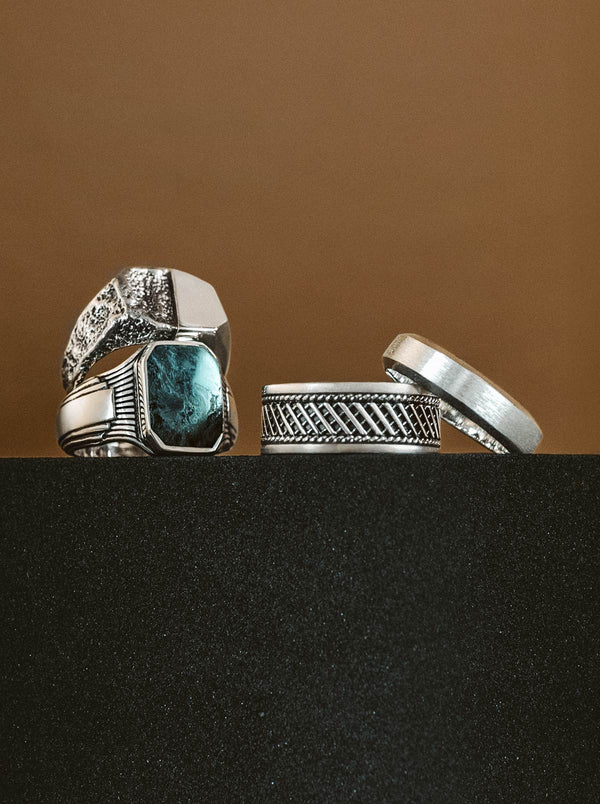
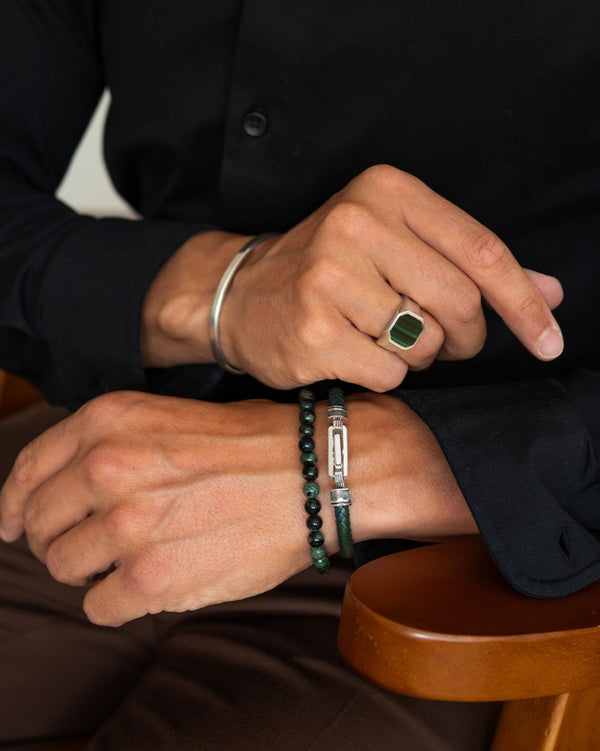
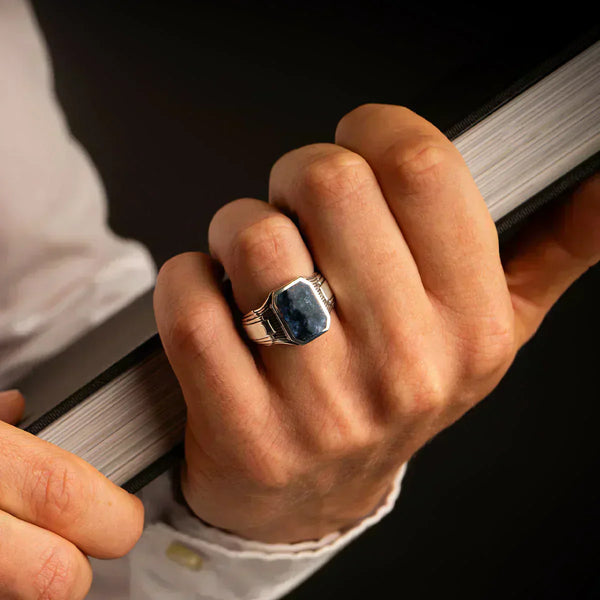
Yes, you can resize silver rings in most cases, but there are important limits. Simple bands can typically be adjusted by one to two sizes by a professional jeweller. Rings with intricate engravings, full stone settings, or patterned bands running around the entire circumference may not be suitable for resizing. The best outcome depends on the ring's design, thickness, and how many sizes need adjusting.
This guide covers every angle, from the technical detail to the practical alternatives.

Can Sterling Silver Rings Be Resized? The Short Answer
The answer to whether sterling silver rings can be resized is yes, in most cases, but with conditions that matter. Solid 925 sterling silver can be resized by a skilled jeweller. Silver-plated rings cannot. This distinction explains why you will find contradictory answers when searching for information about resizing silver rings online: one set of sources is talking about solid silver, the other about plated pieces, and the two metals behave completely differently when a jeweller attempts to work on them.
Before attempting a resize, confirm exactly what the ring is made from. Check the inside of the band for a hallmark. A "925" or "Sterling" stamp confirms solid sterling silver, which can be resized. If there is no stamp, or the marking reads "EP" or "EPNS", the ring is plated and cannot be resized without the surface coating peeling away from the base metal. Establishing this detail first saves both time and the risk of an irreversible mistake.
Why Sterling Silver Is Trickier to Resize Than Other Metals
Sterling silver rings can be resized, but the metal requires more careful handling than gold or platinum. Two properties make it more demanding. First, sterling silver is comparatively soft, which means it can warp or distort under the mechanical pressure needed to reshape the band. Second, it has a lower melting point than most other precious metals, so the heat applied during soldering must be controlled precisely. Too much heat causes the ring to lose its shape entirely or develop weak spots that affect its durability over time. An experienced jeweller who works regularly with silver will understand how to manage both of these challenges without compromising the ring.

The Resizing Process: Sizing Down vs. Sizing Up
Sizing a silver ring down and sizing it up involve different techniques. To make a ring smaller, the jeweller cuts a section from the base of the band, removes it, brings the two ends together, and solders them back into a continuous band. The join is then cleaned, buffed, and polished until it is virtually invisible against the surrounding metal. To make a ring larger, the jeweller cuts the band at the base and inserts a new piece of sterling silver into the gap before soldering and polishing to a seamless finish. Sizing up is the more complex of the two operations because the added piece of metal must match the existing band in thickness, width, and surface finish. A mismatch in any of these details creates a visible seam that polishing alone cannot hide.
How Many Sizes Can a Silver Ring Be Resized?
When resizing silver rings, the safe limit is one to two sizes in either direction. Sizing down by more than two sizes leaves the band too thin and prone to bending out of shape during normal wear. Sizing up beyond two sizes stretches the soldered join and can leave a visible weak point in the band. If the adjustment required is greater than two sizes, most jewellers recommend having the ring remade in the correct size rather than attempting a resize that could permanently compromise the structure.
What Happens If a Ring Is Resized Too Many Times?
Each time a silver ring is resized, the metal at the soldering point is subjected to heat and mechanical stress. Repeated manipulation creates metal fatigue at the join over time, making the silver progressively more brittle at that location with each subsequent resize. This increases the risk of cracking or breaking during normal daily wear. A silver ring should ideally be resized only once. If a second adjustment becomes necessary, speak to a jeweller about whether the ring can safely handle further work, or whether a replacement band in the correct size is the more sensible long-term option.

Which Types of Silver Rings Can (and Cannot) Be Resized
Not all silver rings are equal candidates when it comes to resizing. Can sterling silver rings be resized regardless of style? The answer depends heavily on the design. A plain silver band and an engraved signet ring require very different assessments. The table below gives a clear overview of how each ring type responds to the resizing process and what the key considerations are before a jeweller begins any work.

Design complexity is the main limiting factor across all ring types. A solid plain band with nothing on it is the most straightforward case for resizing silver rings. A full eternity band or a ring with a pattern running all the way around the circumference cannot be resized without destroying the design. Most men's rings fall somewhere between these two extremes, which is why an individual assessment from a jeweller before committing is always the right first step.
For a full breakdown of the main ring styles available in men's sterling silver, including which designs tend to suit everyday wear, read our Types of Men's Rings guide.
What Happens to Engraving When a Ring Is Resized?
This is one of the most overlooked aspects of resizing silver rings, and it matters particularly for men who own personalised or engraved pieces. The impact on engraving depends entirely on where the detail sits on the band, and the consequences of getting this wrong are permanent.
The resizing cut is always made at the base of the band, which is the bottom of the ring as worn. If the engraving runs only across the face of the ring or the upper section of the band, resizing may be possible without disturbing the engraved area. However, if the engraving wraps around the full circumference of the band, the section being cut will contain engraved detail. That detail is destroyed at the cut point, and the two new ends soldered together will no longer align the lettering or pattern seamlessly. The result is a permanent, visible break in the design that cannot be corrected through polishing or finishing.
The practical conclusion is simple: confirm ring size before ordering an engraved piece. Once a ring has been laser engraved, the question of whether you can resize silver rings moves from a routine adjustment to a high-risk procedure. Getting the measurement right first keeps the engraving exactly as intended, with no compromise to the detail or the meaning it carries.
For help deciding what to engrave before placing an order, our guide on Signet Ring Engraving Ideas covers ten directions worth considering.

Signs Your Ring Needs Resizing
Many men wear a ring that does not fit correctly without addressing it, either because the discomfort is mild or because they are unsure what a well-fitting ring should feel like. The signs below make it straightforward to assess whether the current fit is a problem worth resolving through resizing silver rings or an alternative solution.

A correctly fitting ring slides over the knuckle with light resistance and sits snugly at the base of the finger without cutting into the skin or rotating freely. If the ring's behaviour does not match either end of that description, resizing or an alternative fix is worth considering sooner rather than later.
Alternatives to Resizing Your Silver Ring
Resizing is not the only route to a better fit, and for engraved or stone-set designs it is not always the safest one. Several alternatives resolve a fit issue without the risks associated with cutting and soldering a silver ring. For many men, these options are faster, lower risk, and equally effective.
Ring Size Adjuster (The Non-Permanent Fix)
A ring size adjuster is a small insert that sits on the inside of the band, reducing the effective diameter of the ring without any permanent modification to the metal. It is invisible from the outside, removable, and causes no damage to the ring at any point. For men who need to bring a ring down by a small increment, particularly engraved pieces or stone-set designs where resizing silver rings would carry real risk, a ring adjuster is often the most practical first response. It also works well when the knuckle is significantly wider than the base of the finger, making it difficult to find a single size that passes over and sits comfortably at the same time.
Shop now: Ring Size Tools
Ring Guards and Sizing Beads
Ring guards are slim bands of metal or silicone that clip over the outside of the ring's base to reduce the gap between the ring and the finger. They are visible on close inspection but effective for temporary situations. Sizing beads are two small metal beads added to the inside of the band at the base, invisible from the outside, which provide a modest tightening effect of around half a size. Both options are useful for minor adjustments that do not justify a full resize, and neither permanently alters the ring structure in any way.
Order the Right Size from the Start
For men buying a new ring, the most effective way to avoid the question of whether you can resize silver rings is to measure correctly before placing the order. Many fit problems stem from measuring at the wrong time of day, measuring the wrong finger, or carrying over a size from a different ring on a different hand. NineTwoFive rings are crafted in solid 925 sterling silver to the exact size specified at the time of order, which means the ring that arrives is precisely what was asked for, ready to wear from day one.
For a complete overview of ring styles, fit, and what to look for when buying online, see our Silver Ring for Men Guide.

How to Measure Your Ring Size Accurately Before Buying
Measuring correctly before an order removes the need to consider resizing silver rings at all. The process takes only a few minutes but needs to be done at the right moment to give a reliable reading. Small variations in timing and conditions can shift the measurement by half a size or more, which is the difference between a ring that fits perfectly and one that arrives loose on the finger.

One additional point worth noting: the dominant hand typically runs slightly larger than the non-dominant hand. Measuring the specific finger the ring is intended for, rather than assuming it matches a finger on the other hand, avoids the most common sizing error when ordering online. If the ring is a gift and the recipient's size is genuinely unknown, a ring adjuster makes an effective backup option until an accurate measurement can be taken.
For three methods to measure ring size at home accurately, including a printable ring sizer, see our Men's Ring Size Chart.
Frequently Asked Questions
Can you resize silver rings at home?
Resizing silver rings at home is not recommended. The process requires a jeweller's saw, silver solder, and professional polishing equipment. Attempting it without these tools risks permanently warping the band, creating a weak join, or damaging any engraving or stones. A professional jeweller will achieve a clean, durable result that home tools cannot replicate.
Can sterling silver rings be resized if they have an engraving?
It depends on where the engraving sits. If the detail covers only the face or the upper section of the band, resizing may be possible without affecting the engraved area. If the engraving wraps around the full circumference of the band, the cut point will destroy detail that cannot be restored. Confirming size before engraving is always the safer approach.
How many sizes can a silver ring be resized safely?
Resizing silver rings by one to two sizes is the safe limit in either direction. Adjustments beyond two sizes risk thinning the band excessively when sizing down, or creating a visible and weakened join when sizing up. Larger adjustments are better handled by remaking the ring in the correct size altogether.
Can silver rings be resized bigger as well as smaller?
Yes, resizing silver rings to a larger size is possible by cutting the band at the base and inserting a matching piece of sterling silver before soldering and polishing. Sizing up is more complex than sizing down, as the added metal must precisely match the band's thickness and finish, but a skilled jeweller can achieve a seamless result within a one-to-two-size range.
Can a signet ring be resized?
A signet ring with engraving only on the face can usually be resized, as the cut point at the base of the band sits well away from the engraved area. A signet ring where engraving or a pattern wraps the full band is more problematic, as resizing will break the design at the cut point. The jeweller should inspect the specific piece before committing to any work.
What if I ordered the wrong size online?
If the difference is small, a ring size adjuster is usually the quickest and lowest-risk first step, particularly for engraved rings. For plain bands where the difference is one to two sizes, a professional resize is straightforward. Contact the original jeweller first, as some brands can offer an exchange or remake before a third-party resize becomes necessary.
Is it better to resize or use a ring size adjuster?
For engraved rings, stone-set designs, or adjustments under one full size, a ring adjuster carries no risk to the ring and is usually the better first option. For plain bands that are significantly too large or too small, a professional resize gives a permanent and seamless result. The two approaches suit different situations rather than competing directly with one another.
How do I know if my ring is solid silver or plated before resizing?
Check the inside of the band for a hallmark. A "925" or "Sterling" stamp confirms solid sterling silver, which is a candidate for resizing. No stamp, or markings such as "EP" or "EPNS", indicates a plated ring that cannot be resized without damaging the surface finish. If there is no marking at all, take the ring to a jeweller for a metal assessment before deciding on next steps.
The Right Fit Is Always Achievable
Can silver rings be resized? In most cases yes, but the design of the ring determines whether that process is clean, risky, or worth avoiding in favour of a better alternative. Getting the size right before buying is always the cleaner outcome, particularly for engraved pieces. When the ring is already in hand and does not fit, a ring adjuster offers a fast, safe starting point with no risk to the metal.
Shop now: Explore Men's Silver Rings