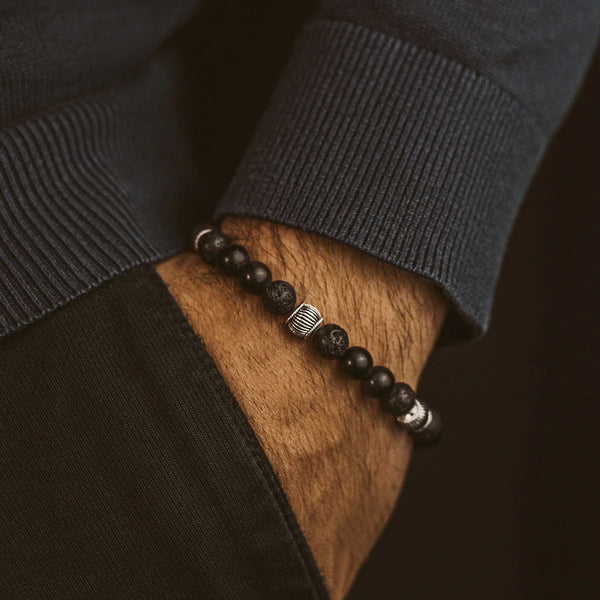
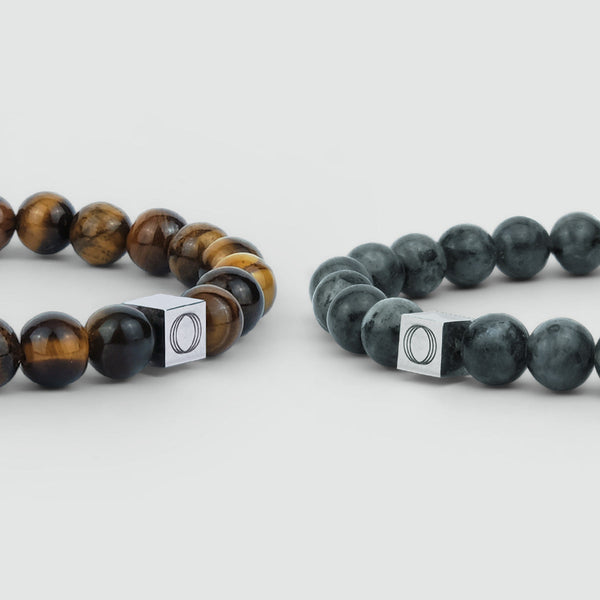
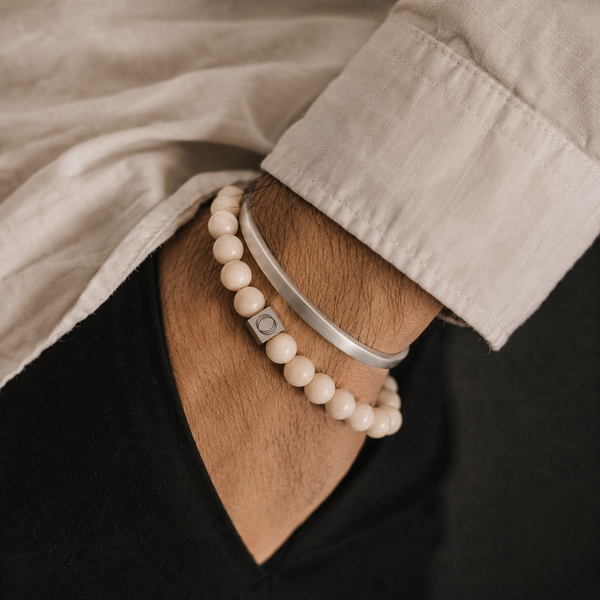
Your silver bracelet gets through more than most pieces of jewellery. From desk work to gym sessions, daily wear builds up sweat, aftershave, and skin oils faster than occasional-wear pieces. Knowing how to clean silver bracelet styles correctly at home, and which method suits which type, keeps it looking as sharp as the day you got it without risking damage in the process.
Is Your Bracelet Solid 925 Sterling Silver or Plated?
Before learning how to clean sterling silver bracelet properly, confirm what it is actually made from. This is the first step in knowing how to clean sterling silver bracelet styles correctly. Solid 925 sterling silver and silver-plated bracelets need different cleaning approaches, and applying the wrong method to a plated piece can strip the surface coating permanently.
Check the inside face of the bracelet or the clasp for a hallmark. A 925 or Sterling stamp confirms solid sterling silver, which can be cleaned using all the methods in this guide. A plated bracelet may show EP or EPNS, or no stamp at all. Plated bracelets should only be wiped gently with a lint-free cloth or a silver polishing cloth; soaking, bicarb paste, and the foil method are not suitable. All NineTwoFive bracelets are solid 925 sterling silver throughout, which means every method covered here applies directly to them.

Why Men's Silver Bracelets Tarnish Faster
Tarnish is not a sign of poor quality. It is a natural chemical reaction that occurs when sterling silver contacts sulphur compounds in the air, forming silver sulphide across the surface. For men wearing bracelets daily, the process accelerates because of the specific conditions involved.
What Tarnish Is and Why It Confirms Your Bracelet Is Real
Gym sessions generate sweat that sits in the link structure of a chain bracelet for hours. Aftershave and moisturiser leave reactive compounds on the surface. Outdoor work exposes the bracelet to temperature changes and humidity that speed up oxidation. None of this damages the bracelet, and the darkening it causes is entirely reversible with the right cleaning method. Tarnish on a solid 925 bracelet is confirmation that the silver is genuine. Only real silver sulphides in this way.
For a full explanation of why sterling silver tarnishes and what it says about the quality of your piece, read our guide on does sterling silver tarnish.
How to Clean a Silver Bracelet at Home: Method by Tarnish Level
Not all tarnish responds to the same treatment. A bracelet that is slightly dull from a week of daily wear needs a completely different approach to one that has sat unworn for six months. Matching the method to the level of tarnish saves time and avoids using anything more aggressive than necessary.

The safest rule is to always start with the gentlest method and only move up if the tarnish does not shift. Washing-up liquid and warm water resolves the majority of everyday tarnish. The foil method is reserved for heavily darkened solid silver bracelets with no stones.
Method 1: Washing-Up Liquid and Warm Water
Fill a small bowl with warm water and add two to three drops of mild washing-up liquid. Place the bracelet in the bowl and leave it to soak for five to ten minutes. Using a soft-bristled toothbrush, scrub gently across the links and around the clasp, working into any grooves or textured areas. Rinse under lukewarm running water to clear all soap residue, then dry immediately and completely with a clean lint-free cloth. Never air-dry a silver bracelet as water spots form quickly on the surface.
Method 2: Bicarbonate of Soda Paste
Mix bicarbonate of soda with just enough water to form a thick paste. Apply it to the bracelet with a soft cloth or your fingertips and work it gently over the tarnished areas. Leave it on for two to three minutes, then rinse thoroughly under lukewarm water and dry completely with a lint-free cloth. This method is effective on moderate tarnish but should not be used on bracelets with soft or porous stones, as the mild abrasive can scratch certain gemstones.
Method 3: Foil and Bicarb Method (Heavy Tarnish)
Line a bowl with aluminium foil, shiny side facing up. Place the bracelet on the foil ensuring metal contact throughout. Add one tablespoon of bicarbonate of soda, then pour enough hot water to fully submerge the bracelet. A fizzing reaction begins immediately as tarnish transfers from the silver to the foil. Leave for three to five minutes, remove, rinse under lukewarm water, and dry completely. This method is only suitable for solid sterling silver bracelets with no gemstones or beads.
Method 4: Silver Polishing Cloth (How to Polish a Silver Bracelet)
A silver polishing cloth is the fastest way to polish a silver bracelet and the best option for light surface dullness between deeper cleans. Knowing how to polish silver bracelet surfaces correctly, and when to use the cloth vs. a wet method, makes a real difference to the long-term finish. Rub the cloth along the bracelet in straight back-and-forth strokes rather than circular motions, which leave visible swirl marks under direct light.
The cloth will darken as it lifts tarnish and oxidation from the silver surface, which is normal and confirms the cloth is working. Do not wash the polishing cloth, as this removes the anti-tarnish treatment. NineTwoFive includes a polishing cloth with every order.

How to Clean Silver Bracelets by Type
The most important information missing from most cleaning guides is that different bracelet types require different approaches. Applying the same technique to a Byzantine weave bracelet and a smooth cuff bangle produces very different results. The table below maps each bracelet type to its safest cleaning method and the specific care consideration that matters most.

The type of bracelet determines both which method to use and how thoroughly the rinse needs to be. Complex link patterns trap cleaning solution in their crevices, which can dull the finish if not completely removed. Flat cuffs and bangles are the most forgiving. Leather and beaded bracelets require the most targeted approach because the non-silver components cannot be treated the same way as the metal.
Cleaning Complex Weave Bracelets: Byzantine and Braided
Byzantine and braided bracelets, such as the NineTwoFive Turath and Mirza, have intricate link structures with numerous contact points where tarnish, sweat, and skin oils accumulate faster than on plain chain or cuff styles. A soft toothbrush is essential for these styles. Work the brush through the weave structure in multiple directions to reach every recess, then rinse extremely thoroughly. Residual washing-up liquid or bicarb sitting in the weave will dry into a white deposit that dulls the finish. Rinse until the water runs completely clear, then dry with a lint-free cloth before patting into the weave with the cloth tip.
Cleaning an Engraved Silver Bracelet
Engraving creates recessed areas that collect cleaning solution, skin oils, and tarnish more readily than flat surfaces. The right tool for cleaning engraved bracelets is a soft toothbrush with washing-up liquid and warm water. Work the bristles gently into the engraved lines to lift any build-up, then rinse very thoroughly.
Polishing cloths should not be applied directly over engraved text or pattern, as repeated rubbing across the recessed detail gradually softens the definition of the lines. Clean the plain band sections with the cloth and use the brush for the engraved area only.
Cleaning a Leather Bracelet with a Silver Clasp
Leather and silver require entirely separate treatment. The silver clasp can be cleaned with a barely damp cloth and a small amount of washing-up liquid, applied carefully with a cotton bud around the clasp mechanism. The leather strap must never be soaked or submerged; water degrades leather fibres and stains the surface permanently. After cleaning the clasp, dry it immediately and allow the leather to air dry naturally if it has picked up any moisture. The leather can be conditioned separately with a suitable leather conditioner, which has no role in the silver cleaning process.
Shop now: Men's Silver Bracelets
How Often Should You Clean Your Silver Bracelet?
The right cleaning frequency depends on how often the bracelet is worn and what conditions it faces. A bracelet worn daily through gym sessions and outdoor work accumulates tarnish far faster than one worn occasionally to social events. Building a routine that matches the actual wear pattern is the foundation of cleaning silver bracelets effectively without effort each time.

The simplest and most effective daily habit is a quick wipe with a lint-free cloth or polishing cloth after each wear. This removes sweat and skin oils before they have time to react with the silver, which is the primary driver of tarnish build-up in daily-wear bracelets for men.
For more on personalising your bracelet and how to care for engraved pieces specifically, read our guide on personalised men's bracelets.
What to Avoid When Cleaning Silver Bracelets
Several common household products cause irreversible damage to sterling silver and should never be used to clean a silver bracelet at home. Bleach and ammonia corrode the metal surface at the chemical level. Whitening toothpaste contains micro-abrasives designed for dental enamel and will scratch silver under inspection. Steel wool and scouring pads leave deep gouges that cannot be polished out. Rubber gloves and rubber bands corrode silver on contact, which is why keeping a silver bracelet stored against rubber or elastic will darken it faster than simply leaving it in open air.
Ultrasonic cleaners are effective for plain solid silver bracelets but should never be used on bracelets with stones, beads, or leather, as the vibrations loosen settings and damage non-metal materials. If in doubt about the safety of any product for a specific bracelet, a jeweller's assessment is always the safer option than testing at home.
For more on how solid 925 silver behaves over time and how current men's jewellery care aligns with styling trends, read our guide on men's silver jewellery trends.

How to Store Your Silver Bracelet to Prevent Tarnish
Cleaning and storage work together. A well-cleaned bracelet stored carelessly will tarnish again within days, particularly in humid environments like bathrooms. Tarnish is driven by exposure to air, moisture, and sulphur compounds, so limiting that exposure between wears extends the interval between cleaning sessions significantly.
Store each bracelet individually in a soft pouch, an anti-tarnish bag, or a lined jewellery box. Storing pieces together causes scratching as well as cross-contamination of tarnish-accelerating compounds. Keep the storage location cool and dry, away from direct sunlight and away from rubber or elastic materials. A small silica gel sachet or anti-tarnish strip inside a closed box slows oxidation noticeably. Remove the bracelet before showering, swimming, or applying any product directly to the wrist area.
The same storage principles apply across all solid silver pieces. Our guide on how to clean a silver chain covers the same care logic applied to chain necklaces and pendants.

Frequently Asked Questions
How do you clean a silver bracelet at home?
The safest way to clean a sterling silver bracelet at home is to soak it in warm water with a few drops of washing-up liquid for five to ten minutes, then gently scrub with a soft toothbrush. Rinse under lukewarm water until all soap residue is gone and dry immediately with a lint-free cloth. This method is safe for all solid 925 sterling silver bracelets, including those with hard gemstones.
How do you clean a tarnished silver bracelet?
For moderate tarnish, apply a bicarbonate of soda paste with a soft cloth, leave for two to three minutes, then rinse and dry thoroughly. For heavy tarnish on a solid plain silver bracelet, use the foil and bicarb method: aluminium foil, bicarb, and hot water create a chemical reaction that lifts the tarnish in three to five minutes.
Can I use baking soda to clean my silver bracelet?
Yes, for solid sterling silver bracelets without soft or porous stones. Mix bicarbonate of soda with water to form a paste and apply gently with a cloth. Rinse extremely thoroughly afterwards, as residue left in link crevices dries into a dull white deposit. Avoid using bicarb paste on bracelets with turquoise, opal, or other porous stones.
How often should I clean my silver bracelet?
For a bracelet worn daily, especially through gym sessions or outdoor work, a polishing cloth wipe after each wear and a soap and water clean once a week maintains consistent shine. For office or occasional wear, a weekly cloth wipe and a monthly soap clean is sufficient. A deep clean using bicarb or the foil method once a month handles any residual oxidation.
Can I clean a leather bracelet with a silver clasp?
Clean the silver clasp only, using a barely damp cloth with a small amount of washing-up liquid applied with a cotton bud. Never soak the leather or apply cleaning solution to it. After cleaning the clasp, dry immediately. The leather strap should be maintained separately with a leather conditioner and kept away from water wherever possible.
Clean It Right, Keep It Longer
Knowing how to clean a silver bracelet comes down to matching the right method to the right bracelet type and tarnish level. The washing-up liquid method handles most everyday needs in fifteen minutes. The key difference that most guides miss is matching the method to the type of bracelet you have. Solid 925 sterling silver, cleaned consistently and stored correctly, stays exactly as it should for years.