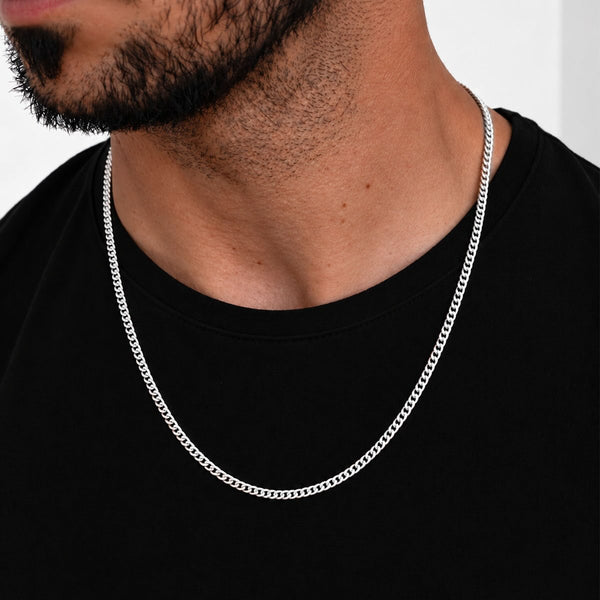
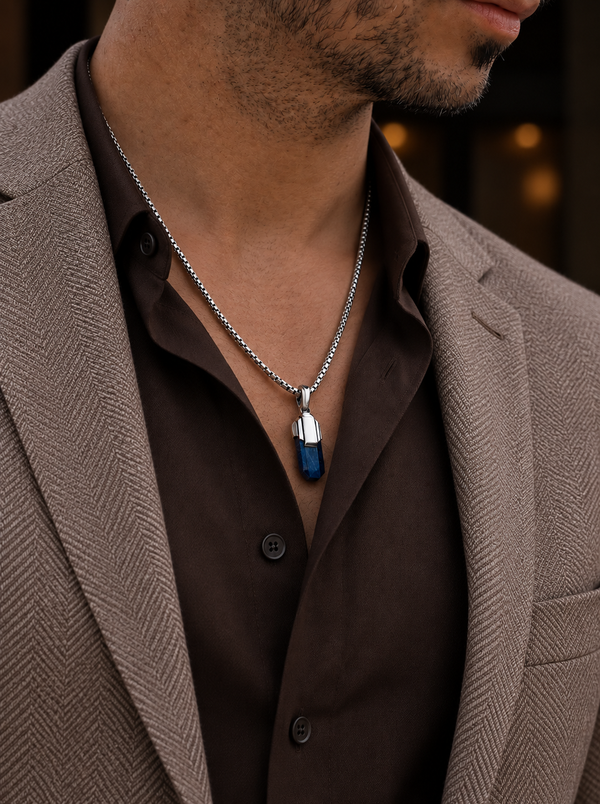
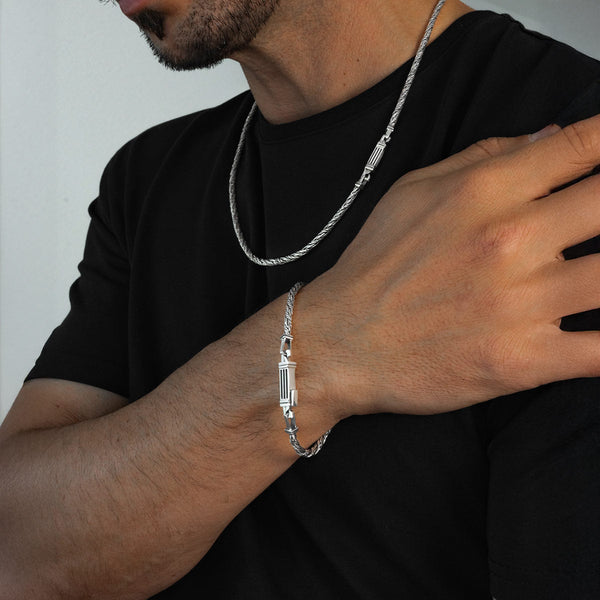
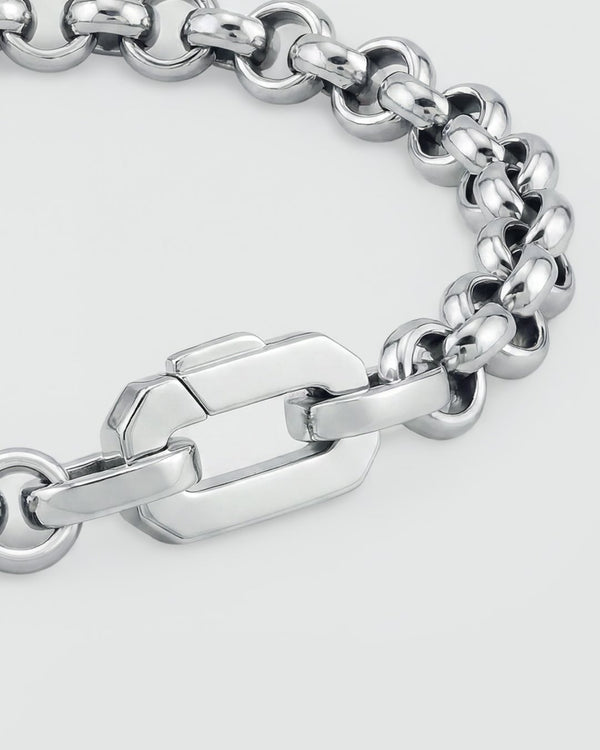
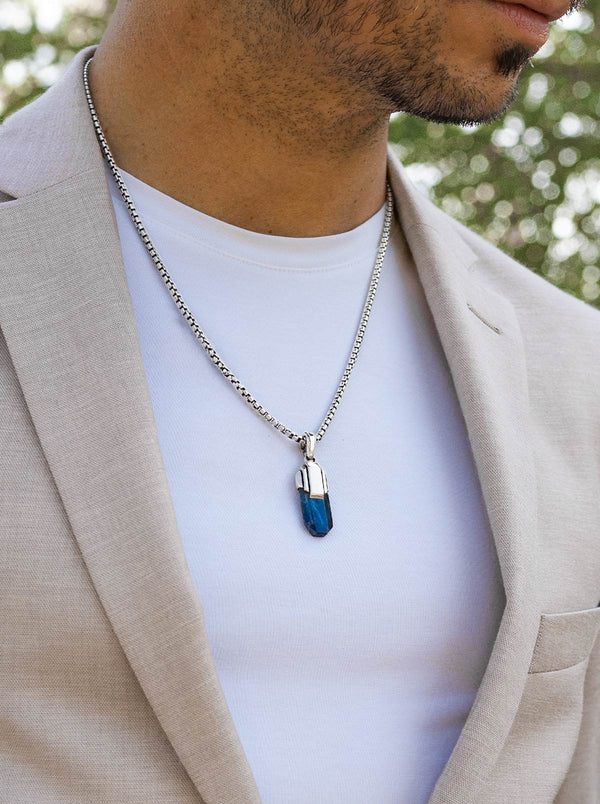
A silver chain turns brown because of tarnish, a chemical reaction between the silver and sulphur compounds in the air, on your skin, or in products you use. Brown tarnish is the earliest stage of this process and is entirely reversible. It does not mean the chain is damaged or low quality. A polishing cloth or a brief clean with dish soap restores the original colour completely.
What the colour looks like tells you whether you are dealing with normal tarnish on solid sterling silver or plating wearing through on a base metal chain. This guide explains why it happens, how to read the colour, how to fix it, and how to slow it down going forward.
What the Brown Colour on Your Silver Chain Is Telling You
Before cleaning anything, the colour of the discolouration identifies the cause and whether the chain is genuine sterling silver or a plated piece wearing through. The most important distinction is between uniform brown, which is fixable tarnish on real silver, and green or copper-toned patches, which indicate a plated chain with the coating worn away.

Brown and dark brown on sterling silver is always restorable. Greenish or copper-toned patches that do not shift with polishing indicate the silver coating has worn away and the base metal underneath is exposed. No amount of cleaning restores a plated chain once the base metal is showing.
Why Sterling Silver Chains Turn Brown
Sterling silver contains 92.5 percent pure silver. The remaining 7.5 percent copper makes the alloy durable enough for daily wear, but it also means the metal reacts with sulphur compounds in the environment, producing silver sulphide on the surface. This sulphide layer is what appears as brown discolouration. The silver underneath is completely unaffected. Removing the layer with a polish or clean reveals the original bright metal, unchanged.
Three factors determine how quickly a chain turns brown.
First, sulphur exposure: urban air, sweat, certain foods such as eggs and onions, and rubber materials all contain sulphur compounds that react with the silver surface.
Second, products: perfume, aftershave, sunscreen, moisturiser, and chlorine all react directly with silver and dramatically accelerate the process. A chain sprayed with perfume and then worn can show brown discolouration within hours. Chlorine from swimming pools or cleaning products is particularly aggressive and can produce visible discolouration in a single session.
Third, skin chemistry: men with naturally acidic skin or high sweat output will find their silver tarnishes noticeably faster than it would in storage. This is a function of individual body chemistry rather than a problem with the chain.
For a deeper explanation of the chemistry behind silver tarnishing, read our guide on why sterling silver tarnishes.

Real Sterling Silver vs. Plated: How to Tell the Difference
Genuine sterling silver tarnishes evenly across the whole surface. The discolouration begins as a uniform dullness, progresses to consistent brown, then darkens toward black over time. The 925 stamp on the clasp or a link confirms the chain is 92.5 percent pure silver throughout. A chain with this marking that is turning brown is tarnishing normally and is entirely fixable.
A plated chain shows irregular or patchy discolouration, not uniform browning. Patches of yellow, orange, reddish-brown, or green appear first at the clasp, the links that sit at the back of the neck, and sections that rub against clothing. These patches do not polish away. If a polishing cloth restores the surface immediately, the chain is solid sterling silver. If the cloth makes no difference to specific patches, the plating has worn through.
How to Fix a Brown Silver Chain
The right method depends on how far the tarnish has progressed. Three approaches cover every level from light dulling to near-black discolouration.
Polishing Cloth for Light Brown
Two to three light passes along the length of the chain, using even pressure, lift the surface tarnish and restore the original finish in under two minutes. No water or additional products required. Polishing cloths are impregnated with a mild cleaning compound that removes the silver sulphide layer without affecting the metal beneath. This is the right starting point for any chain showing early-stage dullness or light brown discolouration.
Dish Soap for Medium Brown
Add two to three drops of dish soap to a bowl of warm water. Soak the chain for two to three minutes, then scrub gently with a soft toothbrush, paying attention to the links. Rinse thoroughly under cool running water, pat dry with a lint-free cloth, and follow with a polishing cloth.
Baking Soda for Dark Brown or Black Patches
Mix a small amount of baking soda with water to form a smooth paste. Apply it to the chain with a soft cloth using circular motions, then rinse very thoroughly. Baking soda is a mild abrasive that lifts the thicker tarnish layer. Rinse completely, as residue left in the links dries white. Use on solid 925 sterling silver only.
For a full step-by-step guide on all cleaning methods, read our guide on how to clean a sterling silver chain.
Shop now: Men's Silver Chains
How Fast Should a Silver Chain Tarnish? What Is Normal?
A new sterling silver chain worn occasionally should not show visible brown discolouration within the first week. A chain worn daily in typical conditions will begin to show some dulling within four to six weeks, progressing to a light brown over two to three months without any polishing. This is normal. A chain that turns noticeably brown within a few days of careful, product-free daily wear should be checked for a 925 hallmark.

The fastest accelerators are product contact and chlorine, both entirely preventable. Air and skin contact are unavoidable but manageable through regular polishing and correct storage.
How to Stop a Sterling Silver Chain Turning Brown
No sterling silver chain can be made completely tarnish-proof, but the rate at which it turns brown is almost entirely within the wearer's control. Three habits, applied consistently, mean most chains need only a brief polish every two to three weeks rather than a full clean. The difference between a chain polished regularly and one left without care is significant over a three-month period.
Storage
Store the chain in an anti-tarnish bag or an airtight pouch when not worn. Keep it away from rubber bands, rubber-lined drawers, and certain plastics, all of which off-gas sulphur compounds. This makes a noticeable difference to how long the chain stays bright between cleans.
Wearing Habits
Put the chain on after applying any products. Remove it before swimming, showering, exercising heavily, or using cleaning products. These two habits alone reduce the cleaning frequency more than any other single change.
Regular Polishing
A brief pass with a polishing cloth every two to three weeks removes the earliest tarnish stage before it becomes visible. This takes under two minutes and is far easier than waiting until the chain needs a full clean.

FAQ: Why Is My Silver Chain Turning Brown?
Is a silver chain turning brown normal?
Yes. Brown discolouration is the earliest visible stage of tarnish, caused by a reaction between silver and sulphur compounds in the air and environment. It is not damage and does not indicate low quality. It is entirely reversible with a polishing cloth or a brief clean.
Why is my chain tarnishing faster than expected?
The most common reasons are frequent contact with perfume, aftershave, or sunscreen; exposure to chlorine from swimming or cleaning products; naturally acidic skin or high sweat output; and incorrect storage near rubber or certain plastics. All of these accelerate the sulphur reaction that causes tarnish. Adjusting these habits, particularly removing the chain before applying products and before swimming, slows the rate of browning significantly.
Can I fix brown discolouration on a silver chain at home?
Yes. For light brown, use a polishing cloth for two to three passes along the chain. For darker brown, clean with warm water and dish soap using a soft toothbrush, scrubbing gently between the links, then rinse thoroughly and follow with a polishing cloth. For dark brown approaching black, use a baking soda paste applied with a soft cloth in circular motions, rinse very thoroughly to clear residue from the links, and dry completely before storing. All three methods restore sterling silver to its original appearance.
Why is my chain turning brown and green: is it fake?
Green or copper-toned patches, particularly around the clasp or in areas of heavy contact, suggest the silver coating on a plated chain is wearing through. Check for a 925 hallmark on the clasp. If present, what you are seeing is heavy tarnish that needs a thorough clean. If there is no 925 marking, the chain is likely plated.
Brown Is Not Broken
A silver chain turning brown is a natural property of sterling silver, not a problem with the chain. Identify the colour, match it to the right fix, and adjust one or two habits to slow it down going forward. The chain beneath the tarnish is unchanged and always restorable.